Architected Microsoft Platforms That Scale, Perform, and Deliver Real Business Value
Most Dynamics 365 and Power Platform initiatives struggle not because of technology, but because architectural decisions are made too late or without enterprise context. Dynamics Mechanics provides the architectural leadership needed to ensure your platform is designed for long-term success.
- Align platform architecture with business strategy and enterprise systems
- Reduce risk across integration, performance, and scalability
- Ensure governance and delivery decisions support long-term outcomes
Where Microsoft Platform Initiatives Break Down
Most Microsoft platform initiatives fail in predictable ways. These issues are rarely caused by technology limitations, but by gaps in architecture, governance, and delivery alignment.
Weak Architecture Foundation
Solutions are designed at the feature level without a cohesive enterprise architecture strategy.
Over-Reliance on Delivery Partners
Decisions are driven by implementation teams without independent architectural oversight.
Misaligned Business and Technical Goals
Platform capabilities are implemented without clear alignment to business outcomes.
Integration Complexity Ignored
External systems, data flows, and dependencies are underestimated or addressed too late.
Governance Gaps
Lack of standards, controls, and decision frameworks leads to inconsistency and risk.
Performance and Scale Issues
Systems degrade under real-world load due to insufficient architectural planning.
How Dynamics Mechanics Changes the Outcome
When to Engage Dynamics Mechanics
- Preparing for a New Platform Initiative: Establish architecture, governance, and integration strategy before delivery begins.
- Evaluating an Existing Design: Validate architectural direction proposed by internal teams or partners.
- Scaling Across the Organization: Ensure solutions can expand across departments, regions, and business units.
- Addressing Performance or Stability Issues: Identify architectural constraints impacting performance, reliability, or maintainability.
- Establishing Governance and Standards: Define frameworks for consistent, scalable platform management.
- Reassessing Platform Strategy: Realign platform investments with evolving business goals and enterprise architecture.
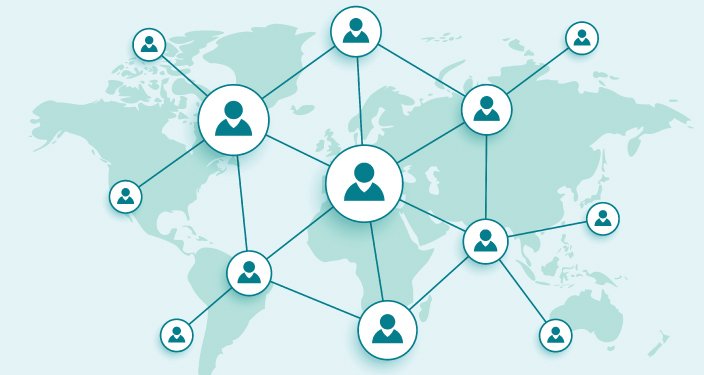
How We Integrate Into Your Organization

Your Team

Delivery Partners

Dynamics Mechanics
Core Advisory Capabilities
Architecture and Delivery Advisory
Platform Enablement and Optimization
Strategic and Executive Advisory
Transformation Programs
The Reality Many Organizations Face
Organizations adopting or expanding Microsoft platforms often encounter similar challenges:
- Limited in-house experience with enterprise-scale Dynamics 365 and Power Platform architecture
- Heavy reliance on delivery partners without independent architectural oversight
- Difficulty distinguishing delivery progress from long-term platform health
- Governance and security concerns emerging after solutions are already in use
- Performance, scalability, or maintainability issues surfacing post go-live
These challenges rarely stem from effort or intent. They typically result from architecture and governance decisions made early, without sufficient context or independent review.
How Dynamics Mechanics Supports Microsoft Customers
Dynamics Mechanics provides independent, advisory-led support focused on clarity, confidence, and risk reduction. We help Microsoft customers by:
- Reviewing and validating architectural direction and platform strategy
- Providing third-party assurance of design, integration, and governance decisions
- Supporting informed decision-making before complexity becomes costly
- Acting as a neutral advisor alongside internal teams and delivery partners
- Helping leadership understand tradeoffs, risks, and long-term implications
Our role is not to replace your teams or partners, but to strengthen outcomes through senior-level architectural insight.
Where We Are Most Often Engaged
Microsoft customers typically engage Dynamics Mechanics in scenarios such as:
- Preparing for a new Dynamics 365 or Power Platform initiative
- Evaluating architectural direction proposed by a delivery partner
- Scaling an existing solution across departments, regions, or business units
- Addressing performance, stability, or maintainability concerns
- Establishing governance models for low-code and citizen development
- Reassessing platform strategy after early phases or pilots
In each case, the objective is the same: ensure the platform is built and evolved with intent, not assumption.
Working Alongside Your Teams and Partners
Dynamics Mechanics is partner-safe by design. We frequently operate alongside:
- Internal development and IT teams
- Microsoft implementation partners
- Program and portfolio leadership
Our advisory role complements delivery efforts by providing:
- Independent validation
- Senior escalation support
- Architectural consistency across initiatives
We do not compete with implementation partners or assume delivery ownership.
What Clients Value Most
Microsoft customers engage Dynamics Mechanics for:
- Independent perspective free of delivery bias
- Experience navigating complex enterprise platform environments
- Clear articulation of risks, tradeoffs, and decision paths
- Confidence that architectural choices support long-term goals
- Direct engagement with senior leadership and architecture expertise
All engagements are led directly by the firm’s founder and principal architect, bringing experience from enterprise consulting and Microsoft partner Center of Excellence environments.
Typical Next Steps
For organizations exploring advisory support, the next step is usually a short conversation to understand context, constraints, and objectives.
From there, we help determine whether an architecture review, ongoing advisory support, or targeted assessment is appropriate.
Start a Conversation
If you are a Microsoft customer navigating platform decisions, architecture concerns, or governance challenges, we invite you to start a conversation to explore how Dynamics Mechanics can help.